
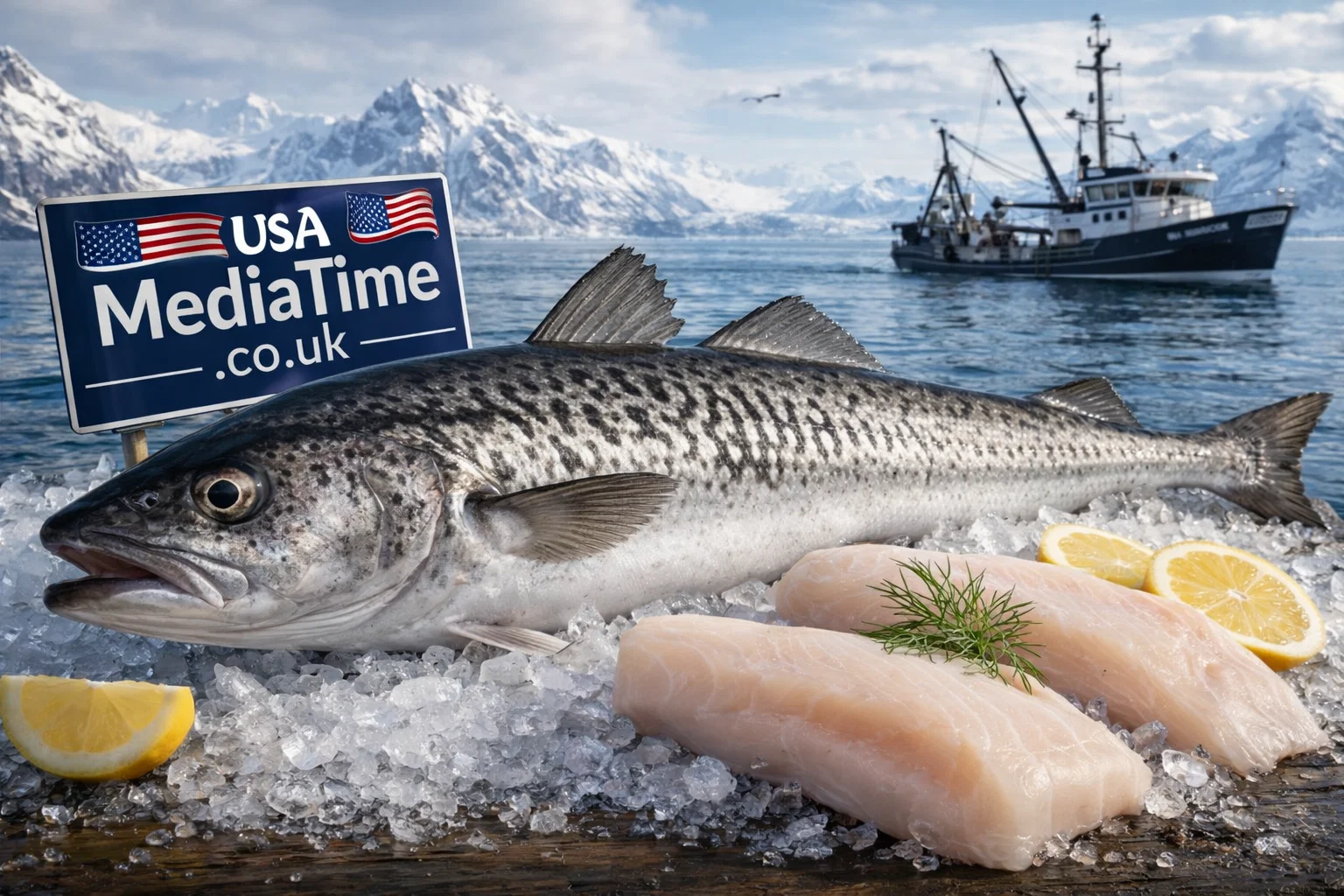
Introduction to Alaskan Seiti
Alaskan Seiti is widely recognized in the global seafood market as Alaska Pollock. It is one of the most consumed white fish species in the world and belongs to the cod family fish group. This fish is mainly found in the cold waters of the North Pacific fish region, especially the Bering Sea fish and Gulf of Alaska fish zones. Its massive availability, affordable pricing, and strong nutritional value have made it a major part of global seafood consumption.
The importance of Alaskan Seiti continues to grow because it supports both the seafood industry and everyday diets across the world. It is widely used in frozen fish fillets, fish sticks, surimi, and imitation crab products. Its mild flavor fish profile and soft texture make it suitable for a wide range of cuisines. Today, it is a key part of sustainable seafood systems and plays a major role in global seafood supply chains.
What is Alaskan Seiti
Alaskan Seiti, scientifically known as Gadus chalcogrammus, is a marine fish species that belongs to the cod family fish group. It is one of the most harvested wild caught fish in the world and plays a critical role in global seafood production. It is found in cold ocean waters and contributes significantly to commercial fishing economies.
This fish is widely used because of its neutral taste, soft texture, and nutritional benefits. It is considered a lean protein fish and a low fat seafood option, making it suitable for health-focused diets. In fish species identification, it is known for its white flesh, flaky texture, and high processing value. The fish is widely processed in the fish processing industry and distributed globally through seafood supply chains.
Habitat and Natural Environment
Alaskan Seiti thrives in cold, nutrient-rich waters of the North Pacific fish region. It is commonly found in the Bering Sea fish and Gulf of Alaska fish areas where temperatures are low and marine food sources are abundant. These natural conditions make it one of the most stable fish populations in the ocean ecosystem.
Its feeding behavior is based on plankton feeding fish patterns, which helps it grow as a nutrient rich fish species. The cold environment supports healthy reproduction and survival rates. Wild fisheries carefully manage its population using regulated fisheries systems. This ensures marine ecosystem balance and prevents overfishing, making it a sustainable seafood resource.
Physical Features and Identification
Alaska Pollock is a white fish with a soft body structure and tender flaky texture. It is known for its mild flavor fish taste, which allows it to adapt easily to different cooking styles and seasonings. Compared to cod fish, it is lighter in texture and more affordable, which increases its global demand.
Fish quality selection is based on size, freshness, and processing standards. It is widely available in frozen seafood availability markets, ensuring year-round supply. In fish species identification, it is recognized for its commercial importance and large-scale usage in seafood products across global markets.
Nutrition Profile of Alaskan Seiti
Alaskan Seiti is highly valued for its nutritional composition. It is a lean protein fish and plays a major role in high protein diet food plans. It is also classified as a low fat seafood option, making it ideal for weight-conscious consumers.
It contains essential nutrients such as omega 3 fatty acids source, vitamin B12 source, selenium rich food, and iodine rich seafood. It is also a low calorie fish, which supports weight loss friendly food and clean eating diet patterns. Because of its balanced nutrition, it is widely used in everyday nutrition fish consumption across global diets.
Its protein content supports muscle growth and overall body strength. It also helps maintain energy levels and supports metabolic health. These qualities make it one of the most reliable seafood choices for modern healthy eating lifestyles.
Health Benefits of Alaska Pollock
Alaska Pollock provides multiple health benefits due to its nutrient-rich profile. It supports cardiovascular health and is considered a heart healthy fish. The omega-3 fatty acids help improve brain function and mental clarity, making it beneficial for all age groups.
It is a low mercury fish, which makes it safe for regular consumption. It supports immune system strength, muscle development, and overall metabolism improvement. It is also widely recommended for family friendly meals because of its safety and nutritional value.
Regular consumption of Alaskan Seiti may help improve heart function, support brain health, assist in weight management, and enhance overall wellness. It is widely recognized as a clean protein source in global nutrition systems.
Sustainability and Fishing Practices
Alaskan Seiti plays a major role in sustainable seafood production. It is harvested using sustainable fishing practices that are designed to protect marine life and maintain long-term fish populations. These eco friendly seafood systems help ensure ocean biodiversity.
Large scale fish harvesting is carefully managed through fish sustainability management programs and regulated fisheries. Wild fisheries follow strict rules to prevent overfishing and maintain marine ecosystem balance. Responsible sourcing and seafood labeling standards ensure transparency in global seafood markets.
These practices help maintain a stable supply of Alaskan Seiti while protecting ocean ecosystems for future generations.
Global Seafood Industry Role
Alaska Pollock is one of the most important fish species in the global seafood market. It is widely consumed due to its affordability, availability, and versatility. It plays a strong role in seafood industry usage and contributes significantly to global fish demand.
It is processed into frozen fish fillets, fish sticks, surimi, and imitation crab products. It is also used in fast food fish products and ready to eat seafood meals. Its importance in seafood supply chain systems makes it one of the most valuable commercial fishing resources in the world.
Processing and Commercial Use
Alaskan Seiti is widely used in the fish processing industry due to its adaptability and neutral flavor. It is transformed into multiple seafood products that are exported and consumed globally.
It is commonly used in fish sandwich filling, frozen seafood meals, restaurant seafood dishes, school lunch seafood programs, and hospital diet food plans. Its affordability and nutrition make it a preferred choice in mass food production systems.
Its role in processed seafood products makes it essential in global supply chains and food manufacturing industries.
Taste, Texture, and Cooking Style
Alaska Pollock has a mild flavor fish profile with soft white fish meat and a tender flaky texture. It absorbs flavors easily, making it suitable for a wide variety of dishes.
It is an easy to cook fish and perfect for beginner friendly recipes. It can be prepared using pan fried fish recipes, baked fish dishes, grilled fish meals, and fish casserole recipes. It is also widely used in traditional fish recipes and modern cooking methods across global cuisines.
Its versatility makes it a popular choice in home cooking fish recipes and restaurant menus.
Frozen vs Fresh Alaskan Seiti
Alaskan Seiti is mainly available in frozen seafood form. Frozen fish fillets are widely used because they offer long storage life and maintain safe seafood consumption standards. Freezing helps preserve texture, taste, and nutritional value.
Fresh fish is less common due to transportation and storage limitations. Frozen vs fresh fish comparison shows that frozen options are more affordable seafood option and widely accessible. Fresh fish is preferred for immediate cooking, while frozen fish is better for long-term storage and convenience.
Environmental Impact and Management
Alaskan Seiti fishing is carefully regulated to reduce environmental impact fishing risks. Marine ecosystem balance is maintained through fish sustainability management programs that monitor population levels.
Industrial fishing methods are strictly controlled to avoid overharvesting. Responsible fishing practices ensure eco friendly seafood production. These systems help maintain wild caught fish populations and protect ocean biodiversity for future generations.
Culinary Uses in Global Cuisine
Alaskan Seiti is widely used in global culinary uses across many regions. It is popular in Asian seafood dishes, European fish markets, and Nordic seafood cuisine. Its mild flavor allows it to blend easily with different spices and cooking styles.
It is also used in modern cooking methods and traditional fish recipes. Restaurants prefer it because of its cost efficiency, availability, and taste adaptability. It is a common ingredient in international seafood dishes and global food markets.
Economic Importance of Alaskan Seiti
Alaska Pollock is an important contributor to the global economy. It is an affordable seafood option that supports global fish demand and food industry usage. It is widely used in processed seafood products and commercial food production.
It creates employment in commercial fishing, seafood processing industry, and global seafood supply chain systems. It is also a major export product in European fish markets and Asian seafood trade networks. Its affordability makes it a budget friendly protein source for millions of people worldwide.
Conclusion
Alaskan Seiti is one of the most important fish species in the global seafood industry. It provides strong nutritional value, affordability, and sustainability benefits. Its role in frozen fish fillets, fish sticks, surimi, and other seafood products makes it essential in modern diets and food systems.
It supports both human health and environmental balance through regulated fisheries and responsible sourcing practices. As global demand for healthy protein continues to rise, Alaskan Seiti will remain a key part of food security and sustainable seafood supply chains.
FAQs
What is Alaskan Seiti?
Alaskan Seiti is another name for Alaska Pollock, a white fish from the cod family fish group.
Is Alaska Pollock healthy to eat?
Yes, it is a lean protein fish rich in omega-3 fatty acids and low in calories.
Where is Alaskan Seiti found?
It is mainly found in the North Pacific fish region, including Bering Sea fish and Gulf of Alaska fish.
What is Alaskan Seiti used for?
It is used in fish sticks, surimi, frozen fish fillets, and many seafood products.
Is Alaskan Seiti sustainable?
Yes, it is managed through sustainable fishing practices and regulated fisheries.
